
Blasting in sensitive areas with WebGen™
Case Study
Social responsibility solutions provided by WebGen™ in open cut mines
01 Aug 2023
Site Profile
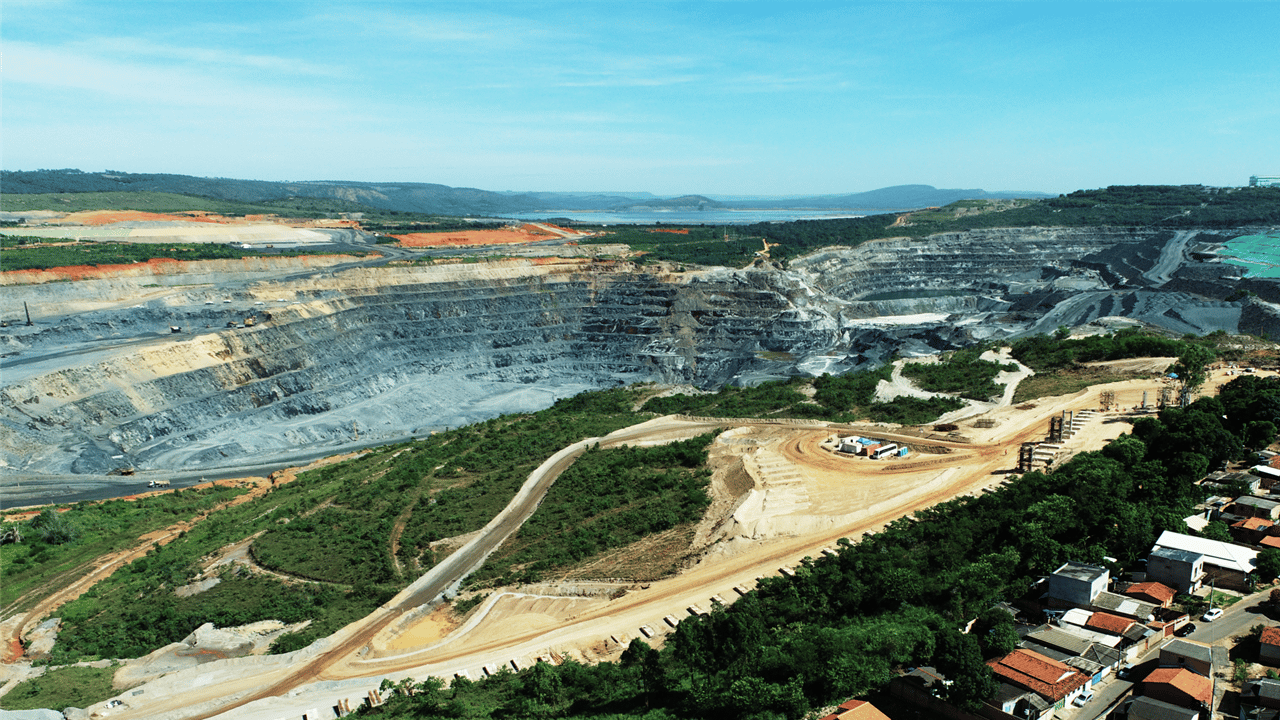
The Kinross Morro do Ouro mine is located in Paracatu, Brasil, in the northwest of the state of Minas Gerais. It is the largest open-cast gold mine in the country and accounts for approximately 22% of the national gold
production.
The mine has unique constraints that demand excellence in operational execution and strict environmental control. Orica and Kinross know that the success of Paracatu depends on a relationship that respects the surrounding community and the environment. There is a constant need to implement technological innovations and optimise the mining operations to overcome challenges, without neglecting the strict environmental standards adopted by Kinross.
The situation
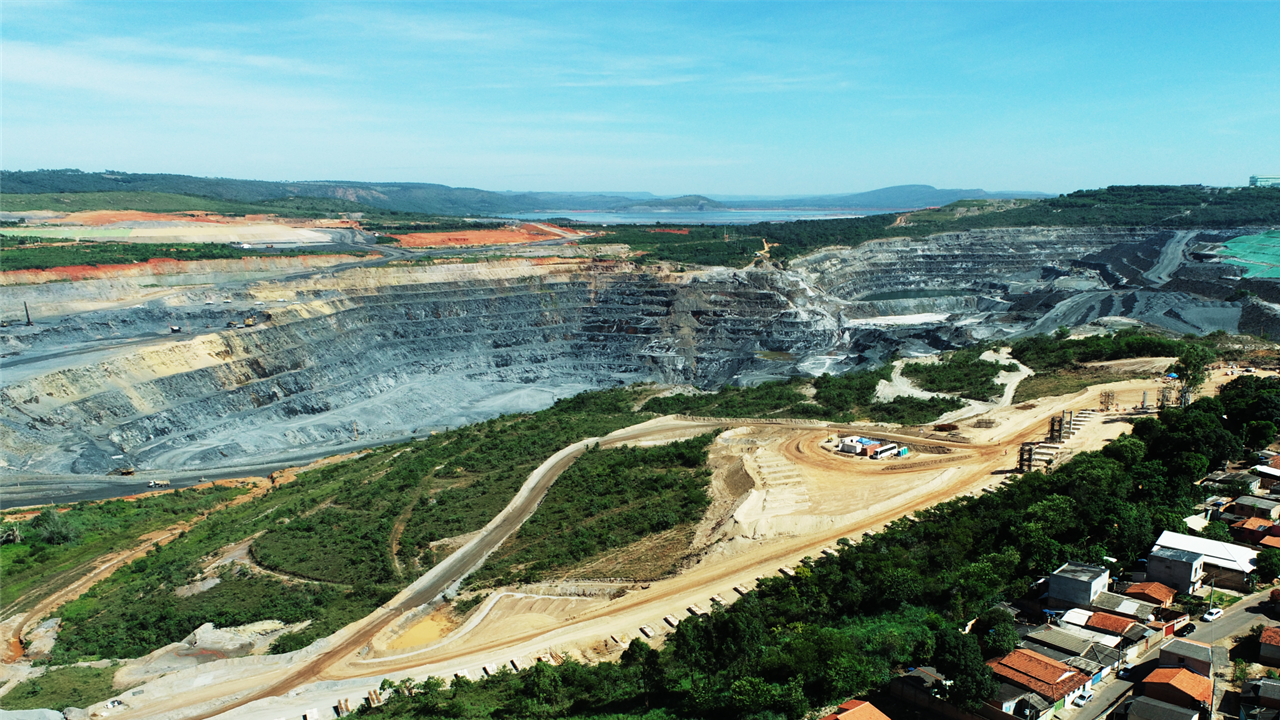
The mine is significantly constrained by proximity to the community, with houses within 500m of the pit. It also has a relatively low average gold grade of only 0.4 grams per tonne.
The proximity of the community demands control of vibration, dust, noise, flyrock and fumes from blasting. Kinross self-imposes a vibration limit of 3 mm/s (80% less than the Brazilian standard NBR-ABNT9653-2018 of 15 mm/s) and a noise limit of 128 dB, well below the stipulated regulation of 134 dB.
The low gold grade demands control over production costs, high productivity of shovels and mill, and long term geotechnical stability of the pit walls.
Technical solutions
Focused on overcoming the complex challenges in the mine, Orica and Kinross searched for initiatives to optimise the drilling and blasting operations. The team considered the WebGen™ wireless initiating system for operational flexibility, productivity, and environmental control. The main benefits of using WebGen™ for the Morro do Ouro mine are listed below.
1. Reducing the number of blasts while increasing the blasted mass per month
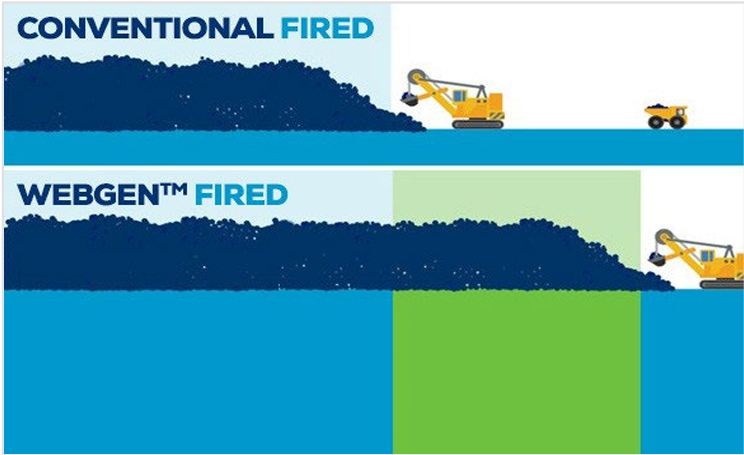
To manage risk, the operator of Morro do Ouro chooses not to sleep blasts primed with conventional initiation systems. This means the mine must load and fire blasts on the same day. Wireless WebGen™ primers remove this risk, so blasts can be slept. This provides flexibility in planning the number of blasts per month. With conventional systems, the mine has one blasting event per day at 15:20hrs. Wireless initiation can reduce the number of events from around 20 blasts per month to around 8 blasts a month.
Fewer blasting events per month means fewer production stoppages for blasting and less unproductive movement of equipment from the mining face to the exclusion zone, thus reducing costs and increasing production.
Figure 2 shows a conventional blast versus an increased mass blast with WebGen™.
2. Control of projection of fragments
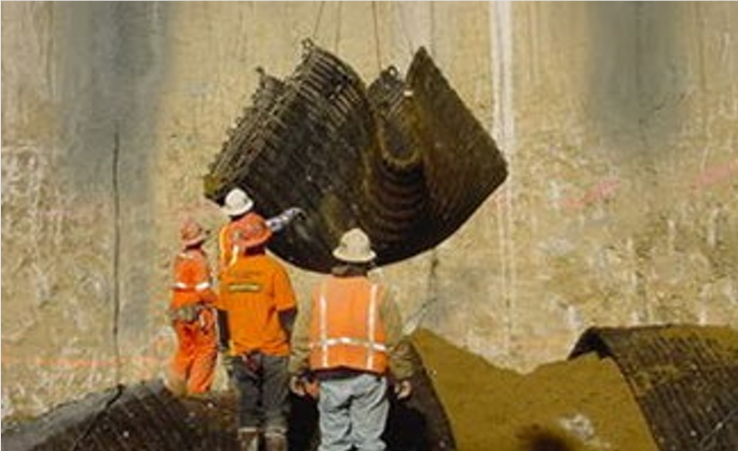
Due to the proximity of the community and other structures like the processing plant, rock ejection must be controlled when blasting in some sectors of the mine. Measures include blast mats, cover material and long stemming. With conventional wired and non-electric initiation systems, it is difficult and risky to cover large blasts with fill or mats, because there is a risk the wires or tubes will be entangled in machines or cut. This creates risk of unplanned initiation and misfires. Mats also limit the size of blasts because there is a limited number of mats. Figure 3 shows an example of placing the mats.
WebGen™ wireless initiation makes covering a blast much faster, easier, and safer. Machines can safely drive over loaded blastholes to dump fill material and place mats with no risk of causing unplanned initiation or misfires. This presents an opportunity for the future at Morro do Ouro.
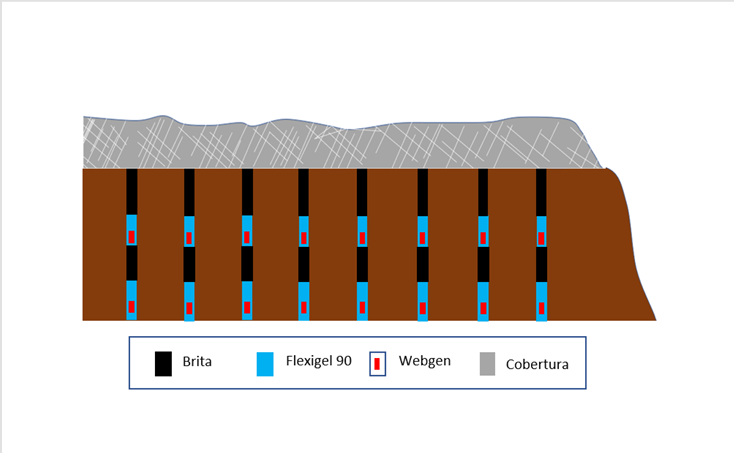
machines can drive over wirelessly primed blastholes
3. Dust control
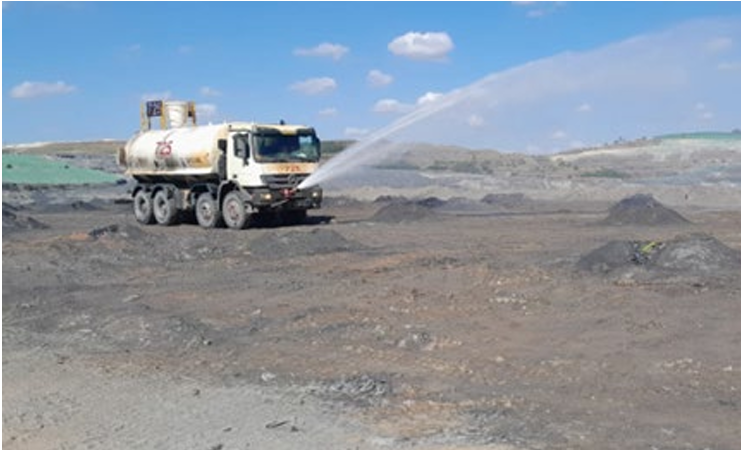
Wetting the bench before a blast is a method used to control dust from blasting. With conventional initiation systems, the water must be applied many hours before the blast, before blastholes are loaded.
WebGen™ makes this method far more effective. As there are no wires on the surface, the water truck can wet the blast much later in the day. The tankers can drive over the loaded blastholes without risk of interaction with explosives (Figure 5).
4. Lightning risk reduction
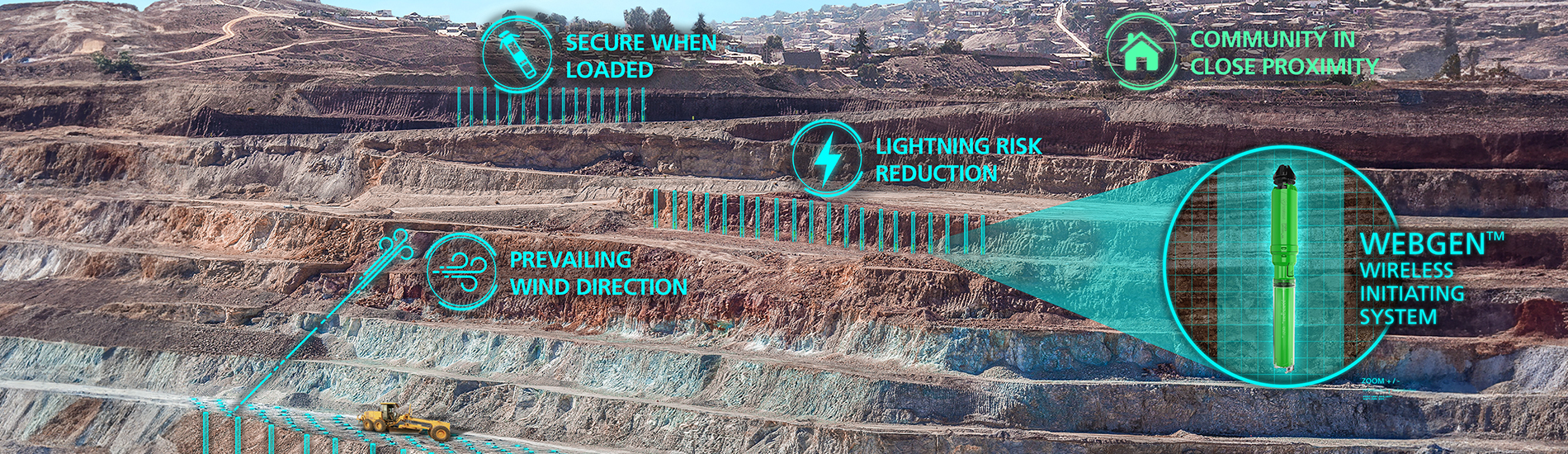
Lightning strikes can initiate blastholes primed with conventional wired and non-electric initiation systems. These blasts must be evacuated when thunderstorms approach the mine, and this causes production delays.
With the absence of wires on the surface, there is extremely low probability of lightning initiating blastholes primed only with WebGen™. This advantage increases safety and may prevent the need to evacuate and stop production while weather patterns in the area present a risk of lightning occurring. Fewer delays reduces costs by avoiding extra movements, and by
increasing production.
Learn more about how WebGen™ can eliminate the risk of unplanned initiation of explosives on a loaded blast pattern during a lightning storm here
5. Flexibility in changing the blast day to control the noise and dust or unforeseen operational events
The blasting time at the Morro do Ouro mine is fixed at 15:20hrs, but blasts are only fired when the wind is blowing away from the city. This rule is in place to reduce overpressure and dust affecting the community.
When the wind direction is not favourable, blasting is put on hold until the right conditions occur. When blasting with conventional initiation systems, it takes at least a few hours to prepare the blast for firing by connecting the surface initiation system. This makes it hard to change the blasting plan at short notice and causes wasted efforts when a blast must be disconnected because the wind is not favourable.
WebGen™ allows a blast to be fired at short notice, because there is no need to connect wiring across blastholes and run out firing cables. By using WebGen™ it is easy to change the blasting plan to suit the wind conditions. If a planned blast cannot be fired, there is no effort required to make the blast pattern safe overnight.
6. Flexibility in mine planning mining (potential application in the future)
As an innovative technology, WebGen™ can ease scheduling constraints imposed by conventional blasting. One example of a future application is to drill and load two benches, then detonate and excavate them separately. This approach will reduce drilling costs and optimise the mining process. Another example is to transform loaded blast into an access road for mining equipment. The method can be implemented only after thorough risk assessment and change management involving Orica Technical Services.
View Mine Schedule Flexibility for more information on this solution
The result
Morro do Ouro Mine introduced WebGen™ in January 2023, with three planned wireless blasts to demonstrate the technology and applications. Initially the goal of the first three blasts was to test the technology. However, the technology was validated by the first blast, and the objective of the other blasts was changed to provide training in preparation for WebGen™ application on a large scale.
The test blasts used 127mm blastholes with two explosive decks separated by stemming. The decks were fired sequentially to reduce vibration. The surface was wet using a water truck around two hours before the blast, as blast mats were being placed. Five metres of stemming was used to control rock ejection, based on an in-depth study using BlastVison® blast video analysis system.
In the tests, the vibration level was low, the dust was well controlled. BlastVision® was used to track flyrock, and there were no projections outside the designated exclusion zone.
Customer Testimonial
"In our operations, the rock blasting activity is carried out adopting several assumptions, mainly in relation to safety, community, and environment, always committed to following all the required parameters. The technological innovations provided through the partnership between Orica and Kinross provide an opportunity to optimize drilling and rock blasting techniques and designs at the Morro do Ouro mine, WebGen technology is a clear example. We are committed to ensuring excellence in our operations, positioning ourselves as a world reference operation, especially in relation to safety and social responsibility."
— Lucas Reis, Department Head Drill and Blasting, Kinross Paracatu
Featured News Article
Enabling safe and productive blasting
Check out our interview with Lucas Steffen from Kinross Gold's Morro do Ouro mine in Brazil, who shared insights on how Orica's WebGen™ wireless initiating system helped Kinross deliver innovative solutions for operational flexibility, productivity, safety, and social responsibility.