
WebGen™ WIRELESS INITIATING SYSTEM
Case Study
St Ives Gold Mine, Goldfields (Western Australia)
Case Study
Unlocking safety and efficiency with WebGen™
St Ives Gold Mine, Goldfields (Western Australia)
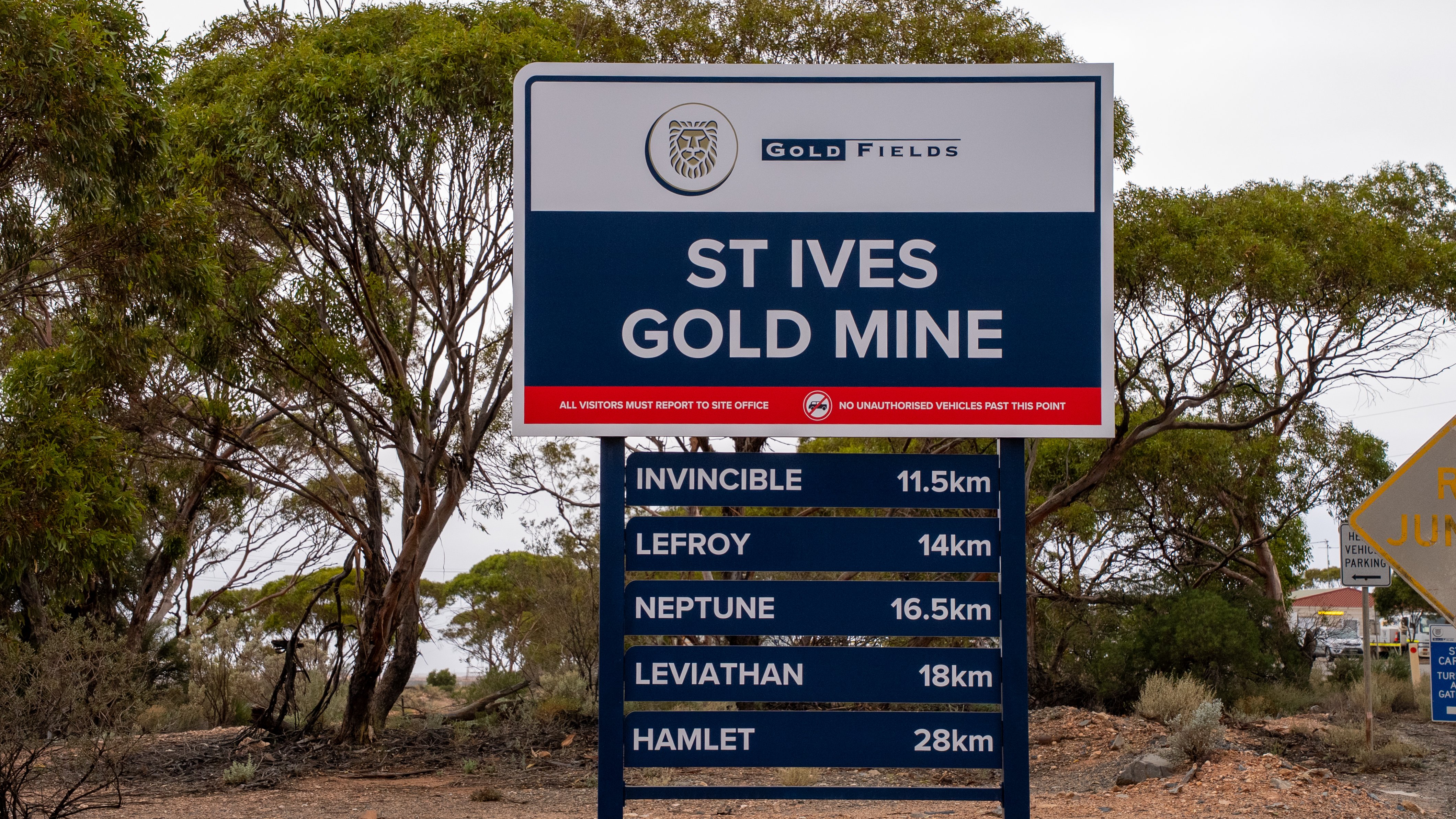
St Ives Gold Mine, operated by Gold Fields, is in Western Australia near Kambalda. The site has produced over 10.5 million ounces of gold and currently operates two underground mines and two surface mines. Underground mining methods include longitudinal narrow vein, longitudinal bulk, and transverse sublevel stoping, with cemented paste backfill.
The situation
Faced with increasing complexity in bulk and transverse stopes, the Invincible Underground Complex at St Ives undertook a review of resource efficiency. This revealed excessive time and cost spent on slot drive development, high drilling density, and re-drilling and hole cleaning.
Key challenges identified
- High resource allocation to slot drive development and post-blast activities.
- Safety risks associated with personnel exposure to stope brows.
- Limited flexibility in stope design and firing sequences due to wired initiation systems.
- Sterilisation of high-grade ore due to void constraints and conventional blasting limitations.
- Increased operational costs and scheduling delays from traditional methods.
Technical solutions
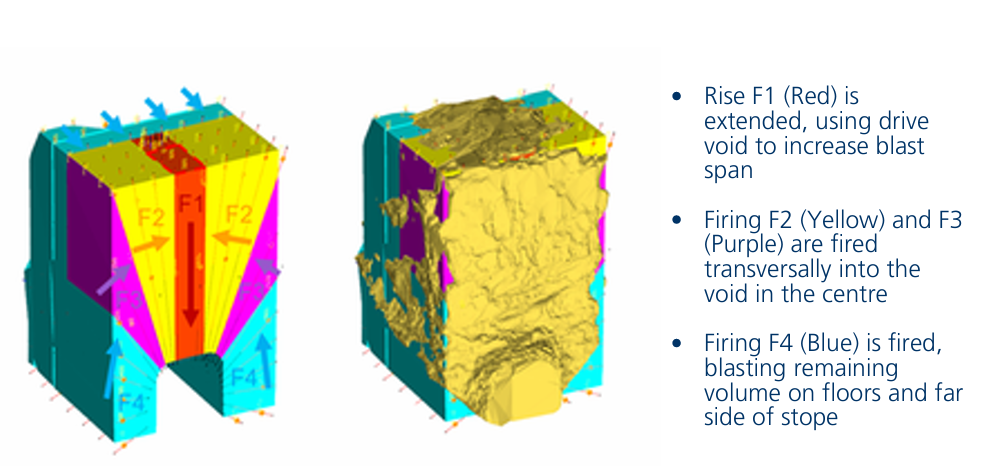
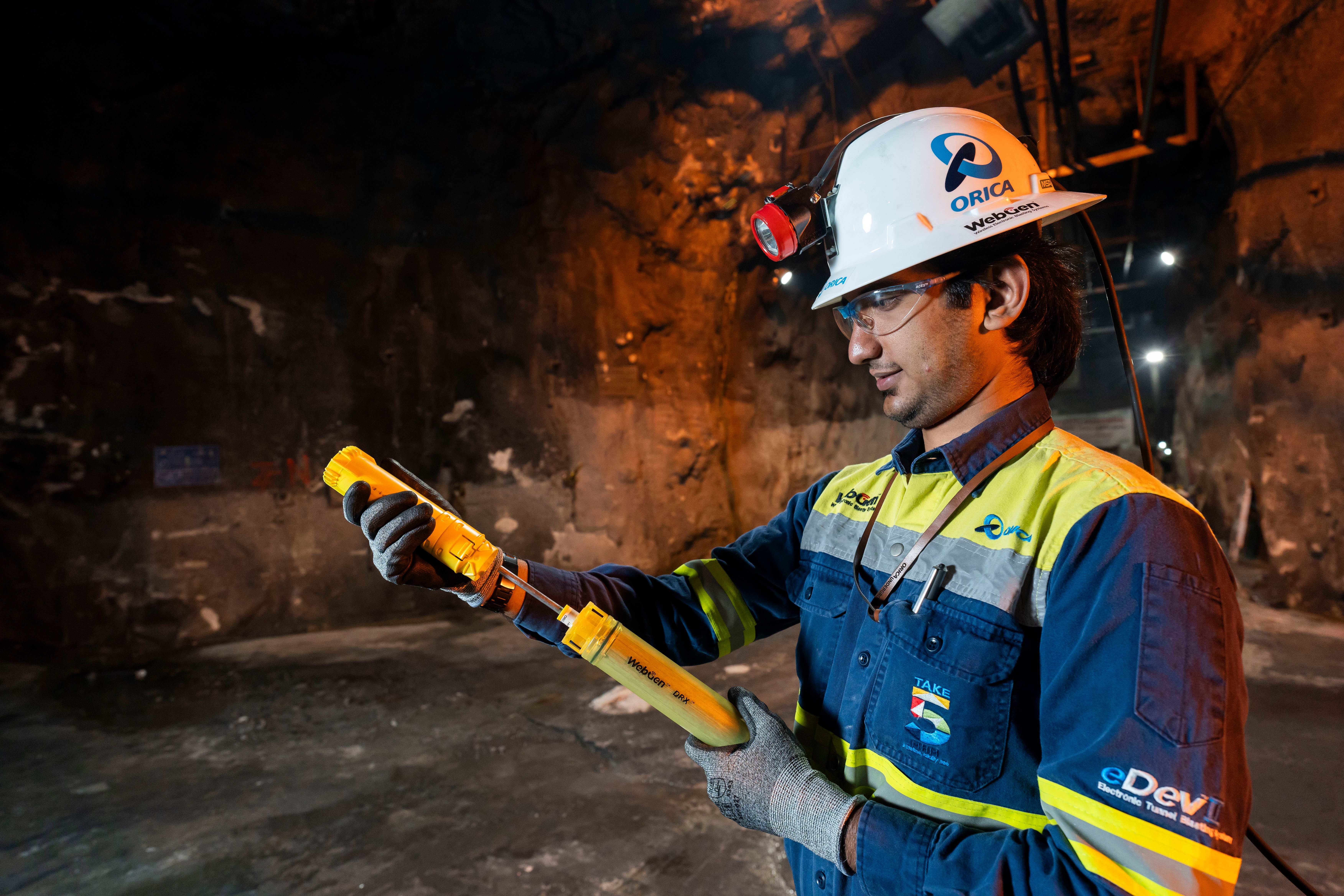
Collaboratively, Orica and Gold Fields engineers decided to adopt Orica’s WebGen™ wireless initiation system. WebGen™ uses magnetic induction to transmit signals through rock, air and water, enabling remote initiation without physical connections.
This allows:
- Pre-charging: Loading all rings in one campaign and then firing them separately or in groups as required.
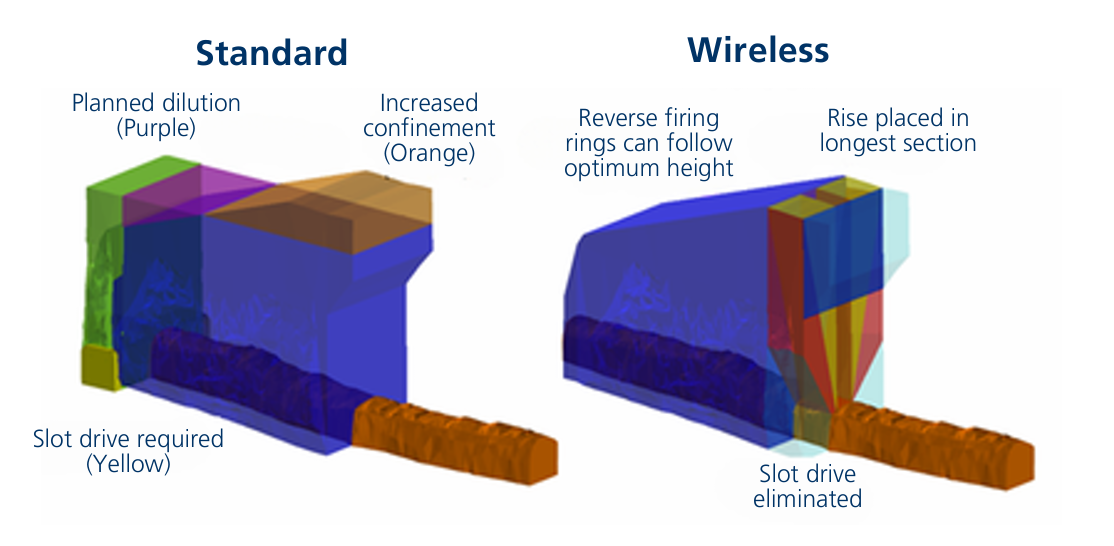
- Standard Slot drive elimination: Reduced development metres and faster stope readiness.
- Reverse firing: Optimised slot placement for better dilution control and material casting.
- Transverse firing: Improved recovery in irregular orebodies by enabling selective blasting.
- Operational flexibility: Enhanced scheduling, reduced rework, and safer production processes.
The result
Since the implementation of WebGen™, St Ives has:
- Eliminated over 490 metres of development across 49 stopes and 96 blasts.
- Increased ore recovery, including reclaiming 1500 tonnes of high-grade ore (155 oz gold) that would otherwise have been sterilised in an irregular orebody stope.
- Achieved 116.5% of targeted gold production in key stopes.
- Reduced tele remote bogging effort while increasing recovered tonnes.
- Embedded wireless blasting into the mine’s production schedule, combining multiple novel methods for greater efficiency and safety
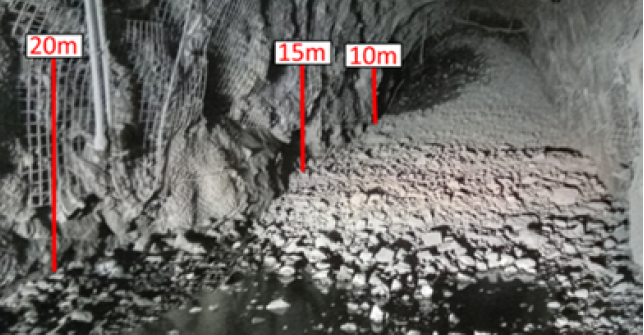
"We’ve removed people off brows. That’s the benefit—we’ve introduced a safer system of work, and by prioritising safety above all else, we’ve leveraged immense productivity improvements... We moved fewer tonnes and got more metal. That’s the definition of doing more for less."
- Bart Jesionek, Technical Services Manager, Goldfields.
Acknowledgements
Orica wishes to thank Gold Fields St Ives Invincible Underground production teams and senior engineers Joshua Grinham, Jonathan Bernitz, and Jobin Thomas for their support and permission to publish this case study.
Elimination of over 490 metres of development across 49 stopes and 96 blasts.
Recovered 1500 tonnes of high-grade ore (155oz gold)
from a complex orebody previously considered unrecoverable.
Blasting Solutions
Powered by
WebGen™ wireless initiating system