
Blasting Solutions
Non-electric initiation
Safe, reliable non-electric initiation systems for mining and civil blasting applications.
Safe, reliable non-electric initiation systems for mining and civil blasting applications.
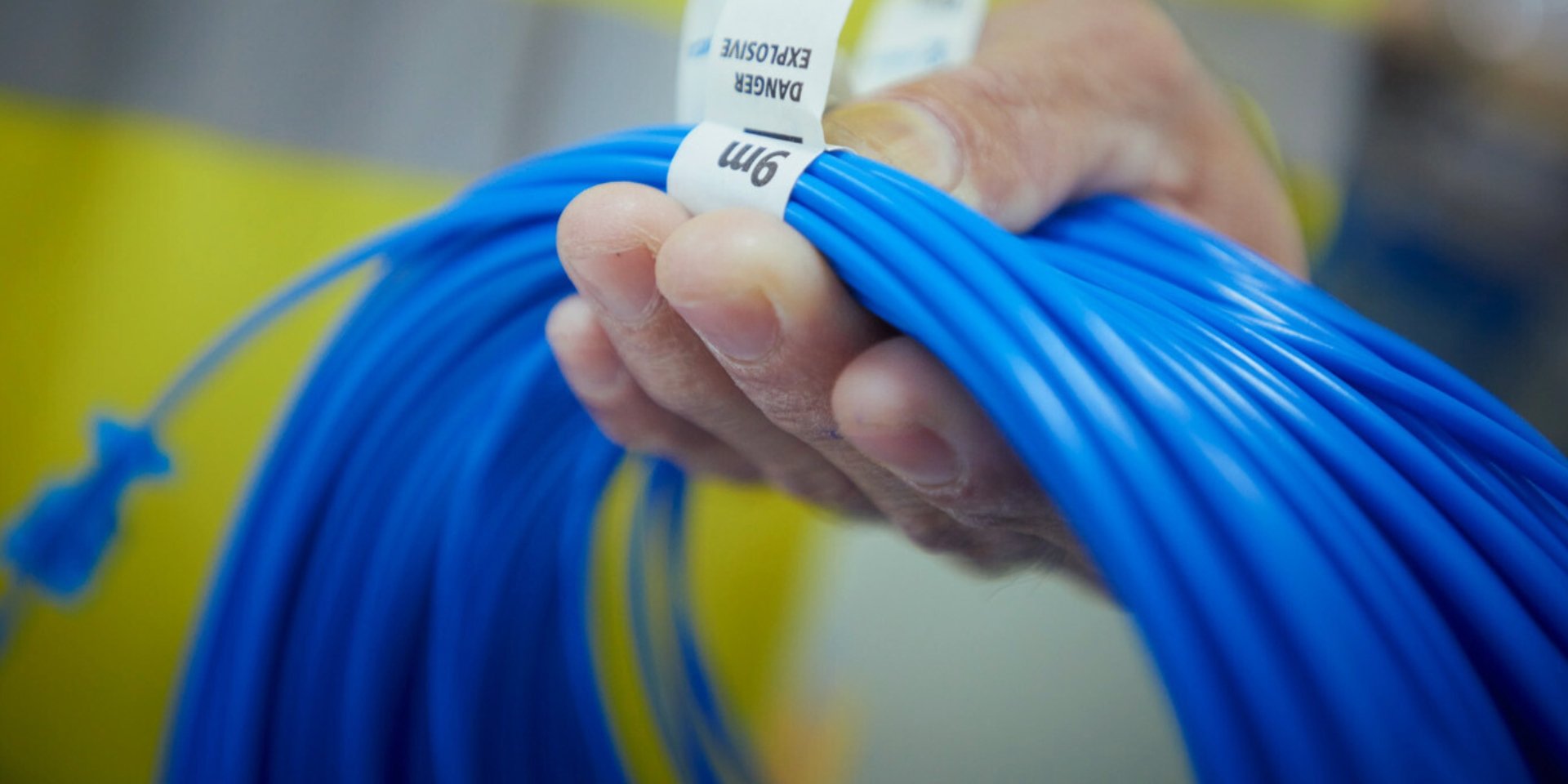
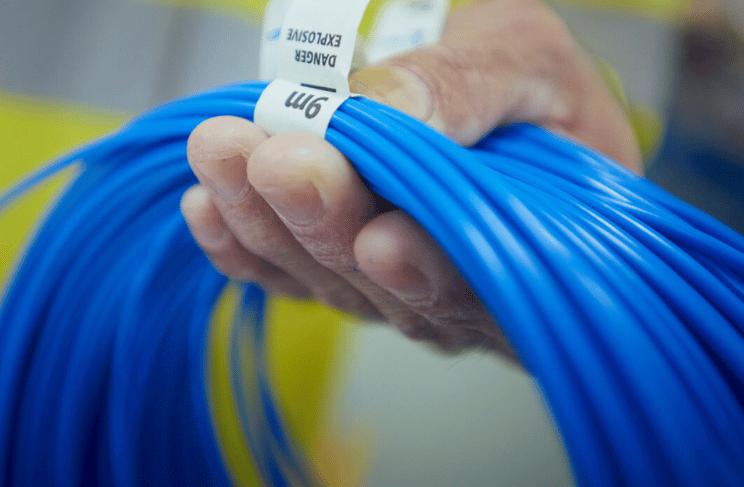
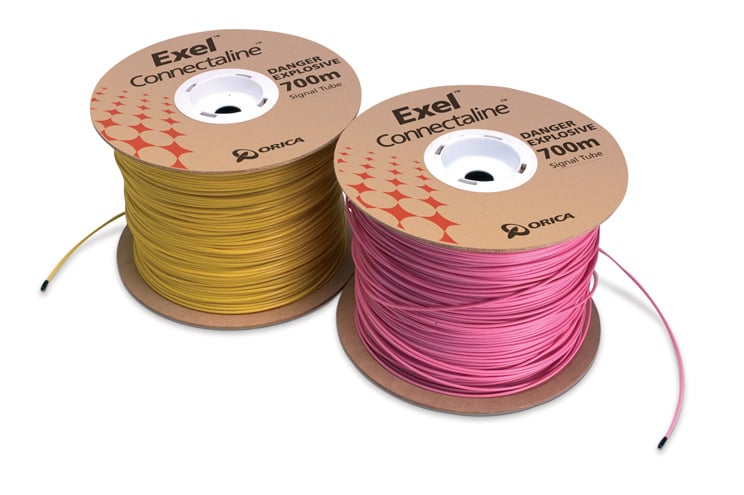
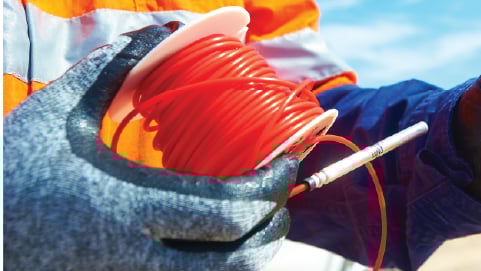
Non-electric initiation systems use signal tubes and detonators to transmit a shock wave rather than an electric current. This makes them highly resistant to accidental initiation from stray electricity, radio frequency, or static discharge.
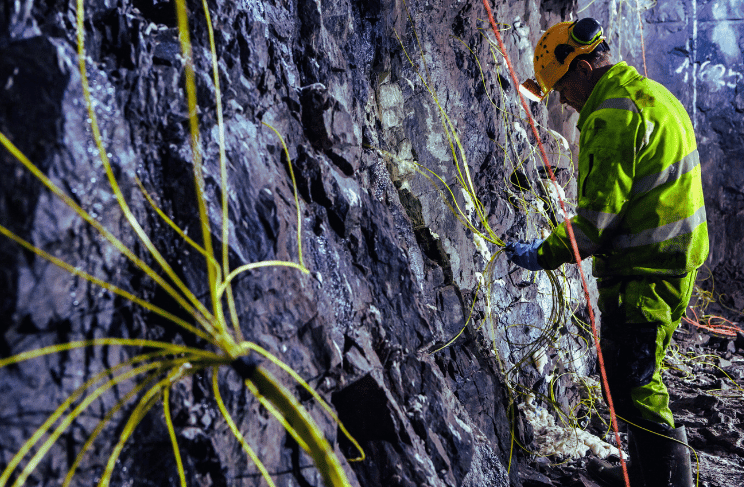
Orica’s Exel™ range is designed for precision timing and durability in harsh conditions, making them ideal for underground mining, surface operations, and civil tunnelling.
Customers choose non-electric systems for their simplicity, reliability, and enhanced safety in environments where electrical hazards are a concern.
Certain products are available only regionally. Contact us or check with your local Orica representative for availability.
Non-electric range
Non-electric range
Exel™
Exel™ detonators deliver dependable non-electric initiation for surface and underground blasting.
They provide accurate timing, improved safety, and operational flexibility across diverse mining environments.
Exel™ comes in a wide range of variety to suit a range of conditions, inlcuding Exel™ Neo - the world's first lead-free non-electric detonator.
Features and benefits
Features and benefits
Resistant to electrical hazards
Eliminates risk from stray currents and radio frequency interference.
Precision delay timing
Accurate intervals for controlled blasting sequences.
Lead-free NPED technology
The Neo range offers environmentally safer detonators without primary explosives
Versatile applications
Suitable for underground, surface, and civil blasting projects
Durable signal tube
High-strength tubing resists abrasion and harsh conditions.
Simple and reliable
Easy to deploy with minimal training requirements
Specification documents
Specification documents
The Neo range of Exel™ non-electric detonators is manufactured using a lead-free formulation in Gyttorp, Sweden.
The Neo range of Exel™ non-electric detonators is manufactured using a lead-free formulation in Gyttorp, Sweden.
Industries
Industries

Surface metal
Surface coal
Underground mining
Construction
Quarrying
Hole conditions
Hole conditions

Dry

Dewatered

Wet

Hard rock
Further insights
Further insights
What is a non-electric initiation system? A non-electric initiation system uses a shock tube to transmit a signal from the initiation point to the detonator. Instead of electricity, the signal travels through a hollow plastic tube coated internally with reactive material, creating a controlled shock wave. This design eliminates risks associated with stray electrical currents, making it safer in environments with conductive materials or electromagnetic interference.
Where are non-electric systems typically used? They are widely used in underground mining, surface mining, quarrying, and civil tunnelling projects. These environments often have high moisture levels, conductive ground conditions, or electrical hazards, making non-electric systems the preferred choice for safety and reliability.
Why choose non-electric over electric systems?
- Safety: Immune to accidental initiation from electricity or radio signals
- Reliability: Performs consistently in wet or conductive environments
- Simplicity: No need for complex wiring or power sources
- Environmental: NPED technology reduces hazardous materials
How does NPED technology improve safety? NPED (Non-Primary Explosives Detonator) technology removes lead azide and other primary explosives from the detonator, reducing environmental impact and improving handling safety. This innovation ensures compliance with modern safety and sustainability standards.
What makes Orica’s Exel™ range stand out? Exel™ products feature high-strength signal tubes, precise delay timing, and robust aluminium shells. They are engineered for durability in harsh conditions and offer a wide range of delay intervals for complex blasting sequences.







Orica's industries

Industry
Agriculture

Industry
Civil infrastructure

Industry
Construction

Industry
Energy

Industry
Iron ore

Industry
Oil and gas

Industry
Quarrying

Industry
Surface coal

Industry
Surface metal

Industry
Underground construction and tunnelling

Industry
Underground mining
Get in touch
Get in touch
Whether you need support or simply want to learn more, reach out to our team. We’re here to help.